
PERFORMANCE & STANDARDS
Learning at Arbor
In this Section
High expectations, strong academic outcomes and individual pathways support students to make progress from their starting points and prepare for their next stage of education.
At Arbor School, academic performance is supported by specialist teaching, ongoing assessment and individual academic and pastoral support.
Students work towards internationally recognised qualifications through GCSE, IGCSE, A Level and vocational pathways. Teachers use assessment to understand students’ starting points, identify gaps in knowledge and provide the appropriate level of support and challenge.
Academic results are an important measure of achievement, alongside the independence, capabilities and experience students develop through leadership, service, enrichment and wider opportunities.
A Level and BTEC results
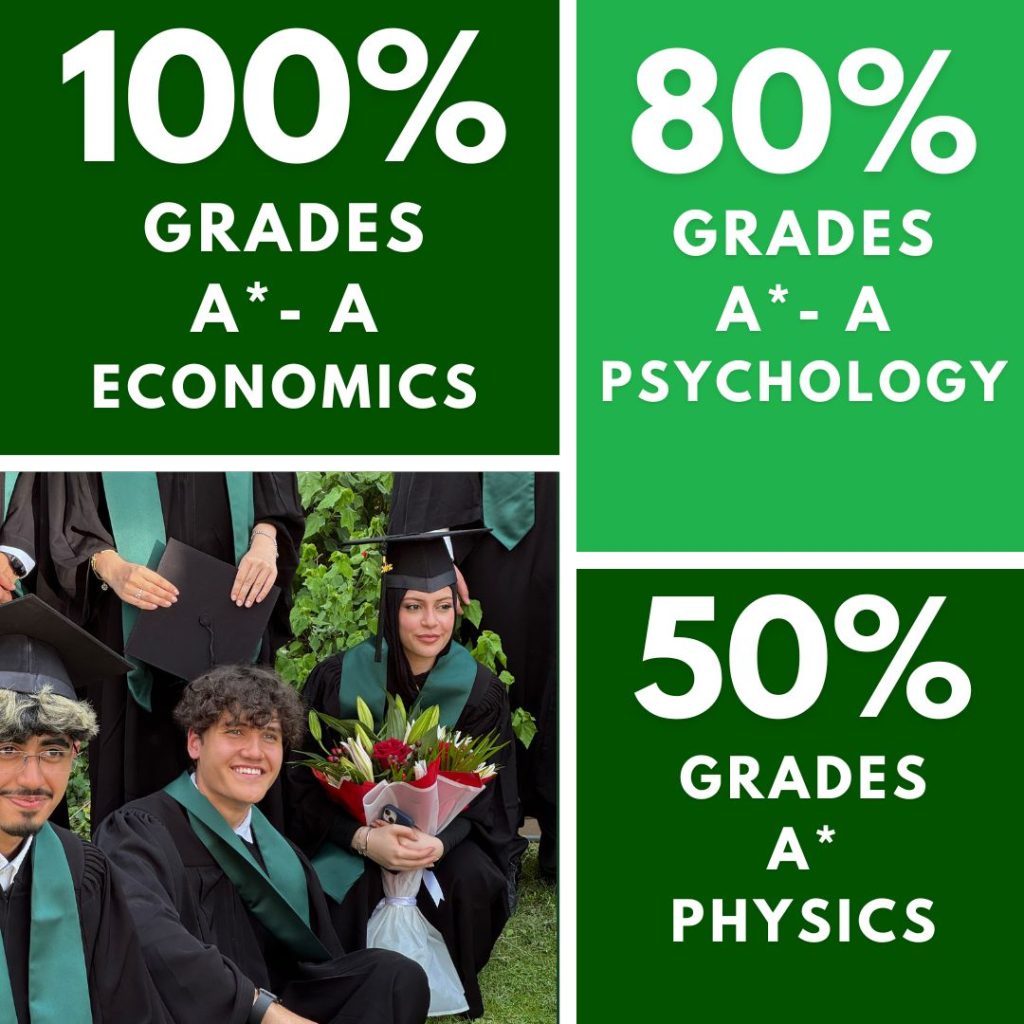
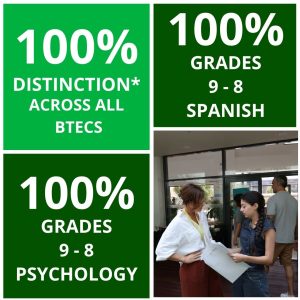
Arbor’s first graduating cohort achieved strong results across A Level and BTEC qualifications.
In our most recent results:
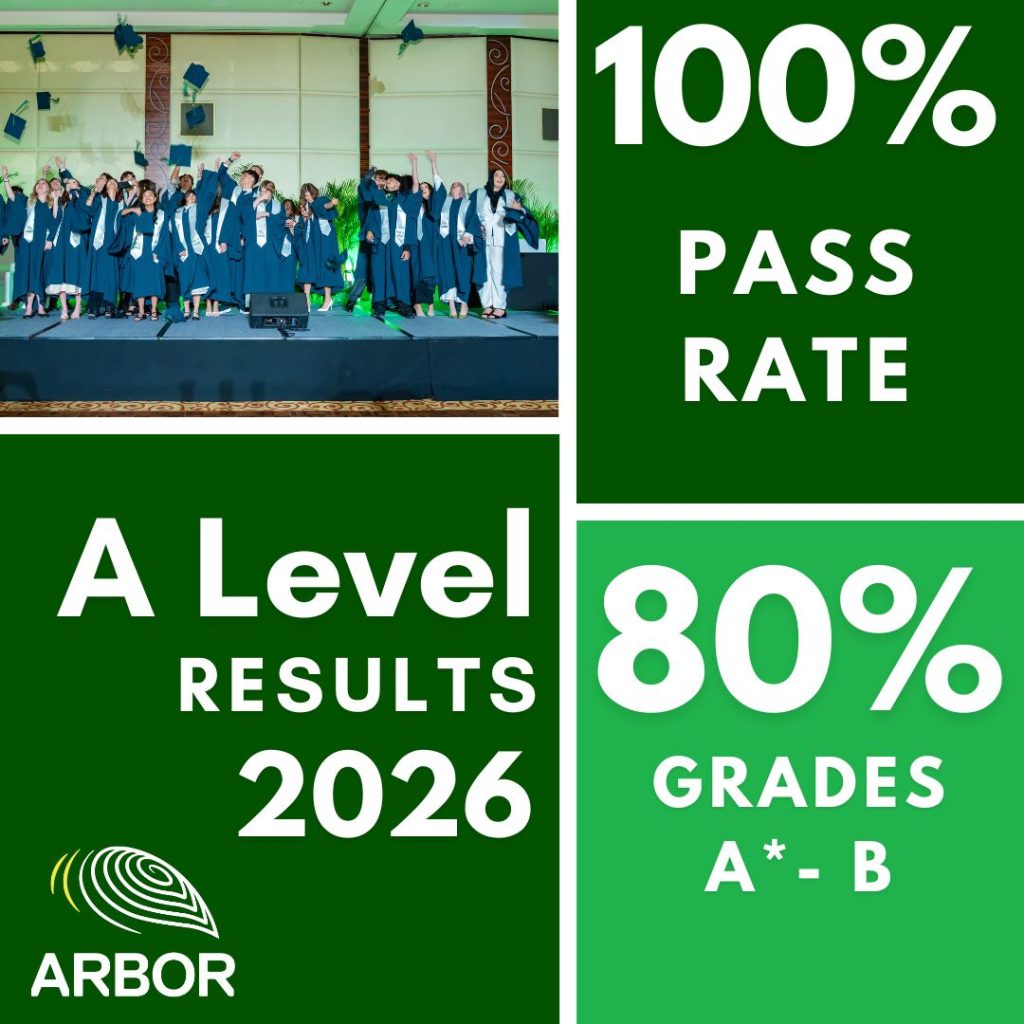
- 100% overall pass rate
- 80% of A Level grades awarded at A*-B
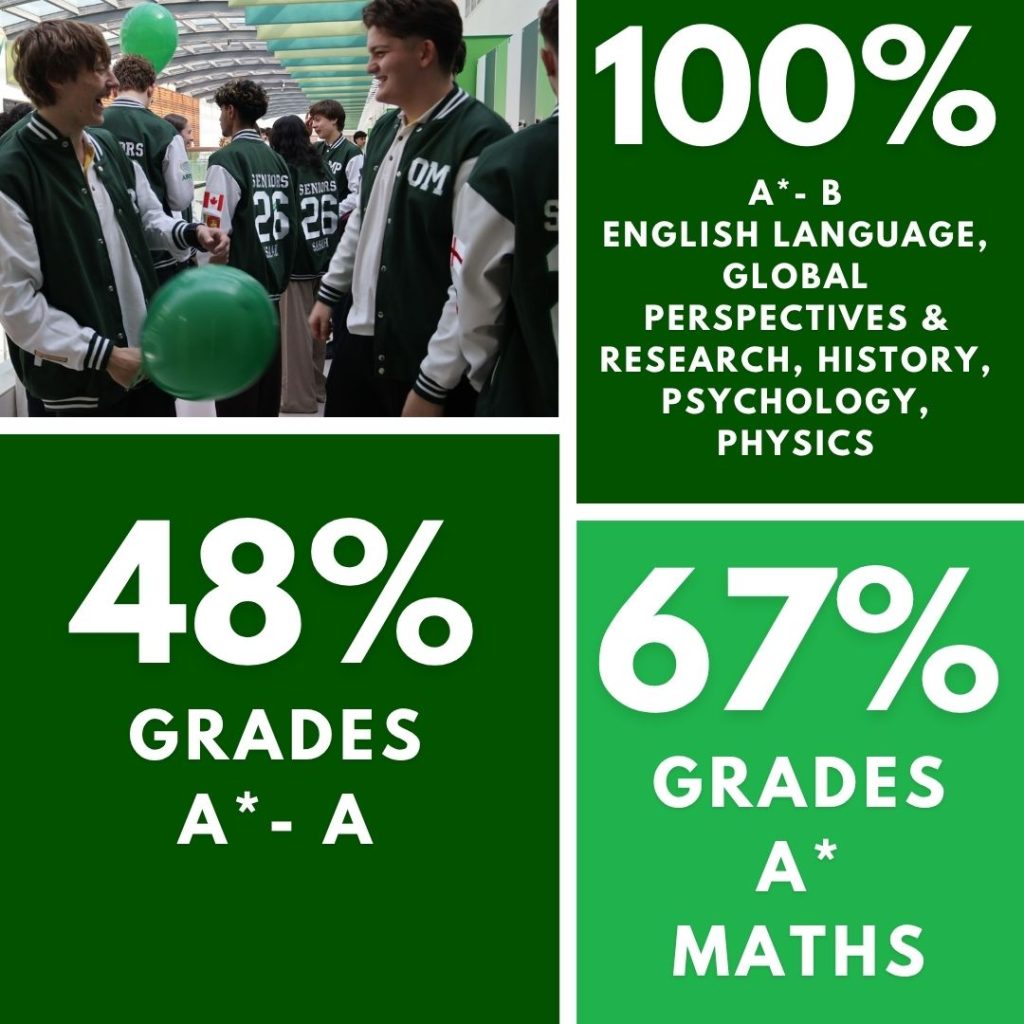
- 48% of A Level grades awarded at A*-A
These results reflect the work of our students and teachers, supported by individual academic guidance and pastoral care throughout Sixth Form.
GCSE and IGCSE results
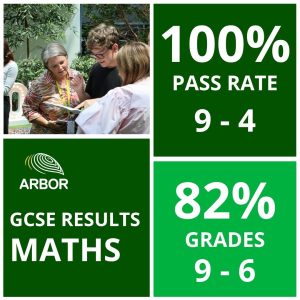
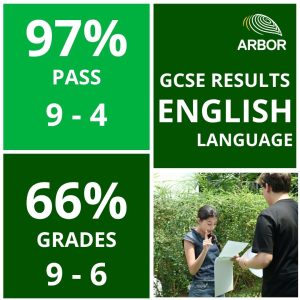
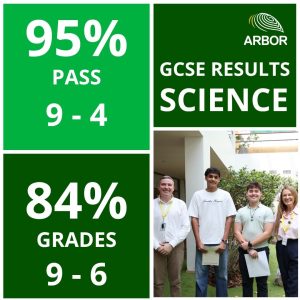
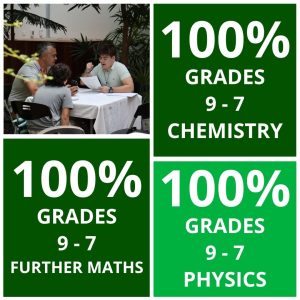
Arbor students achieved:
- 100% overall pass rate
- 60% of grades awarded at 9-7
- Grades 9-7 exceeded the referenced UK average of 23%
These results reflect the work of our students and teachers and the academic and pastoral support provided throughout Secondary School.
Students arrive at Arbor with different strengths, experiences and aspirations. Teachers use assessment evidence and professional judgement to understand each student’s starting point and identify the support or challenge they need to progress.
This includes:
- Identifying strengths and gaps in understanding
- Adapting teaching and providing appropriate support
- Introducing further challenge
- Monitoring progress over time
- Supporting students to set clear goals
- Preparing students for internal and external assessments
Challenge is not simply about completing more work. Students are expected to develop greater depth of understanding, apply knowledge in unfamiliar situations and work with increasing independence as they progress through Secondary.
Assessment is an ongoing part of teaching and learning.
Teachers draw on evidence from classwork, discussion, practical activities, home learning, projects, presentations, formal assessments and examinations. This helps them understand what students know, identify misconceptions and determine appropriate next steps.
Students receive feedback to help them understand their strengths and identify where and how they can improve.
Families receive a report each term:
- Term 1: Progress information and SMART targets
- Term 2: A data-focused progress update
- Term 3: A written narrative reflecting progress across the year
Reports include information about attainment, attitude to learning, attendance and punctuality. Parent-Teacher Conferences provide further opportunities to discuss academic progress, wellbeing and next steps.
All students access a broad and ambitious curriculum, with additional support or extension provided where appropriate.
The Thrive Team works alongside teachers, students and families to support:
- Students of Determination
- Accomplished Learners
- English Language Learners
- Students requiring targeted academic intervention
- Students requiring additional developmental or wellbeing support
Provision may include classroom adaptations, individual strategies, targeted intervention, curriculum extension and personalised learning plans.
This approach supports students to access the curriculum at an appropriate level of challenge and make progress from their individual starting points.
As students progress through Secondary, they make increasingly individual choices about their subjects and qualifications.
At Key Stage 4, students follow a combination of GCSE, IGCSE and vocational qualifications. In Sixth Form, students can select from A Level and vocational pathways, with opportunities for independent study through the Extended Project Qualification and Arbor’s Global Impact Certificate.
Teachers, pastoral leaders and the Futures Counselling team support students in making informed choices based on:
- Academic strengths
- Interests and motivations
- Qualification requirements
- Potential university or career pathways
- The balance and demands of their overall programme
This allows students to follow a programme that provides appropriate academic challenge while reflecting their individual strengths and future plans.
Students also have opportunities to develop and demonstrate their strengths through enrichment, leadership, service learning, competitions, creative work, sport and independent projects.
Through these experiences, students develop capabilities including:
- Critical thinking
- Communication
- Collaboration
- Research
- Leadership
- Creativity
- Project management
- Initiative
- Resilience
- Social and environmental responsibility
Students leave Arbor with academic qualifications alongside experience of applying their knowledge and capabilities through different areas of school life.
Discover academic life at Arbor
Visit Arbor to learn more about our curriculum, examination pathways, academic support and wider approach to student achievement.


